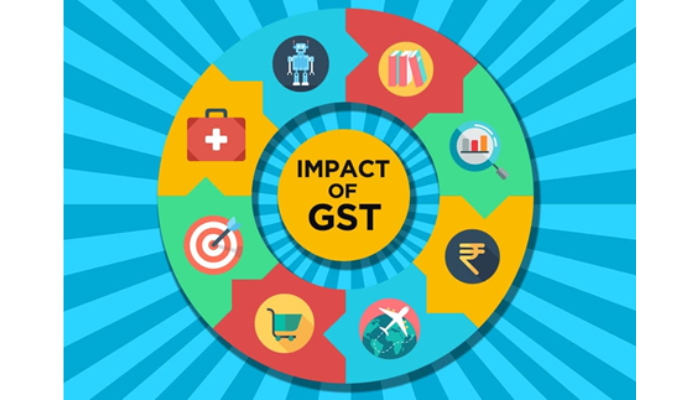
Since the new GST rate of essential items (around 295 items) has declined from 12% to 5% or NIL, we expect the CPI inflation in this category may also come down by 25-30 bps in FY26 after considering a 60% pass through effect on food items.
Additionally, the new GST slabs on services also leads to another 40-45 bps reduction in CPI inflation on other goods and service items, considering a 50% pass through effect.
The new GST slabs will ease CPI readings, giving the Reserve Bank of India (RBI) greater flexibility in its monetary stance. However, the central bank is unlikely to cut the repo rate in the near term and will remain data-dependent in its policy actions.
Economists believe the fiscal impact will remain limited. The reform could add ~0.6% of GDP to domestic demand annually, benefiting sectors such as FMCG, consumer durables, and automobiles.
The Department of Revenue also expects buoyant consumption and reduced input tax credit adjustments to help balance revenue flows. The fiscal burden will be shared between the Centre and states, with states bearing the larger share of the loss.